

WWII Bomber 1/72 scale
This is the first part of the Revell Avro Lancaster Mk.I/III Échelle 1/72 04300
Revell first released their Lancaster in 2007, and I can remember at that time how excited modelers were to get their hands on this kit. It was a cheaper and more affordable version of the Lancaster compared to the new Hasegawa kit. And it was far advanced from the old riveted Lancaster, with recessed panel lines and excellent interior details.
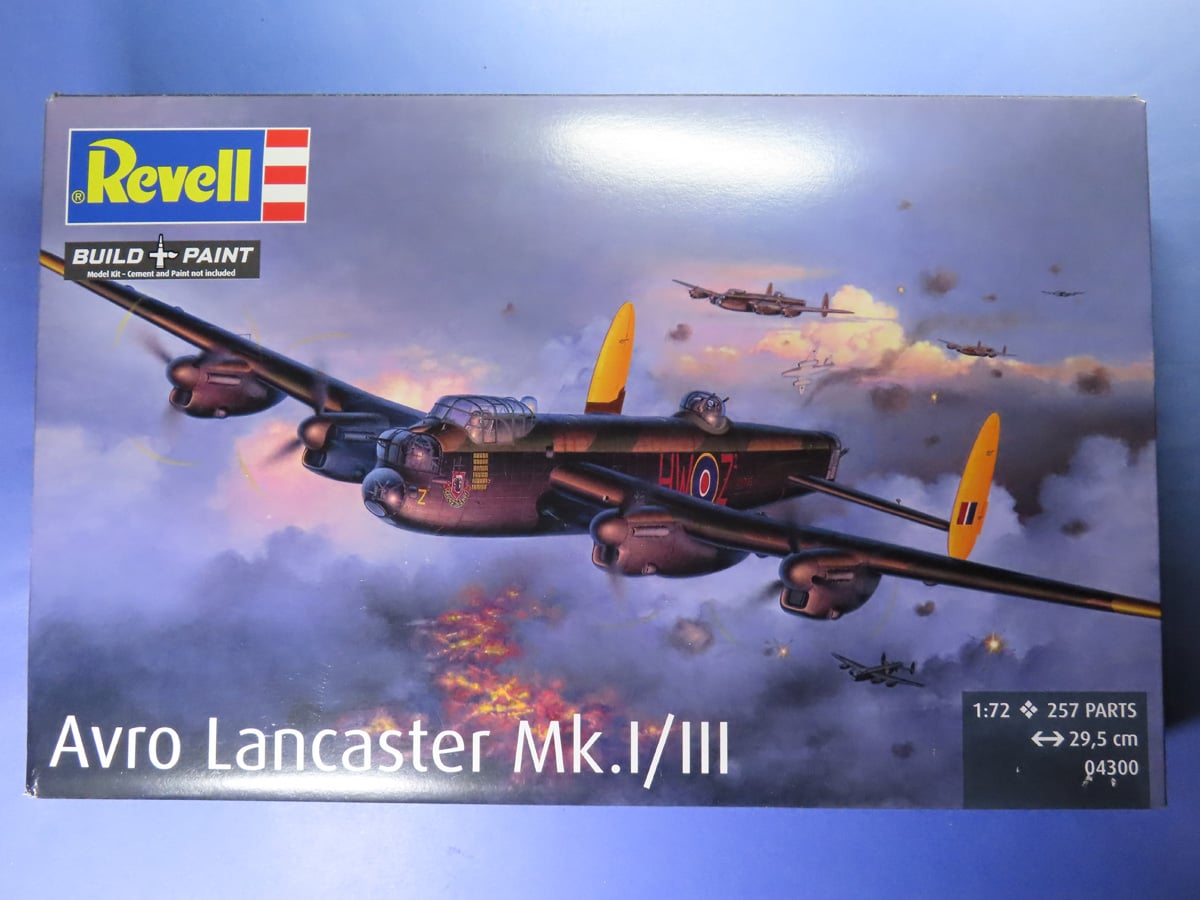
The Lancaster started out life as the Avro Manchester. This was a smaller bomber but still looked like a Lancaster, powered by 2 Rolls-Royce Vulture engines, which greatly under performed the aircraft. With the ever-changing landscape of WWII combat, it was quickly realized that a larger bomber was needed. One that could travel further into German territory.
Though the Vulture engines were a failure, the overall design of the Manchester was good, and good enough that it could be improved to meet the demands of Bomber Command. The first thing to go was the Vultures, and these were quickly replaced by 4 Rolls-Royce Merlin engines. The wings were also lengthened, and soon the Avro Lancaster was born.
Another great feature of the Lancaster was its large bomb bay. The Lancaster could carry a larger and heavier payload than many other bombers at the time. And in 1942, the Lancaster would fly on into the history books as the night bomber that helped win the war.
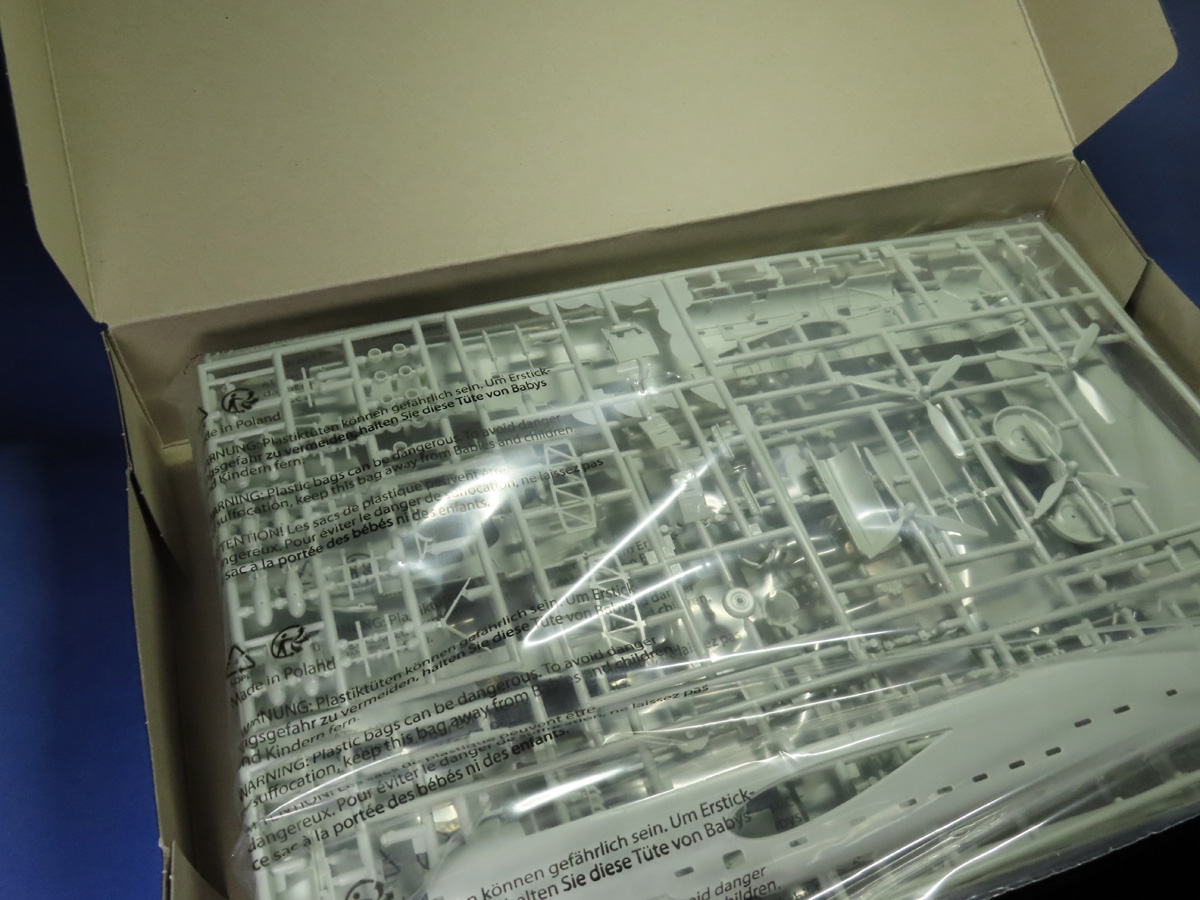
If you are a long-time builder of Revell models, you’ll know the frustration of their side-opened boxes. For years modelers have been asking for open-top boxes so we could more easily store the parts.
Well, it’s not totally an open box, but the top does flip up, and this is a great improvement.
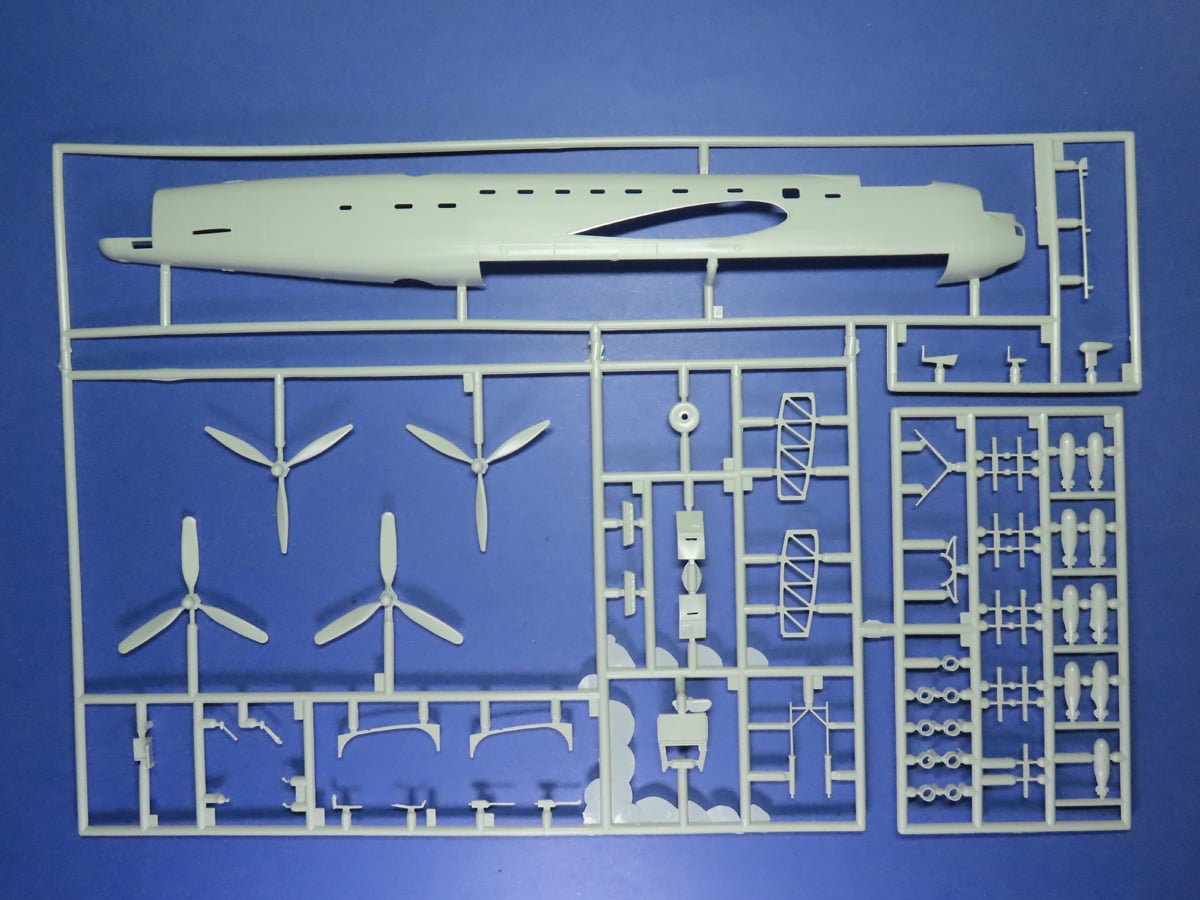
With the first sprue, we have one side of the fuselage, 2 propeller types, and some of the bombs for the bomb bay. It’s molded in a nice light grey styrene, which is standard in many Revell Germany kits. I will also note that there is some slight warping to the fuselage. This isn’t too severe and can easily be corrected with careful gluing.
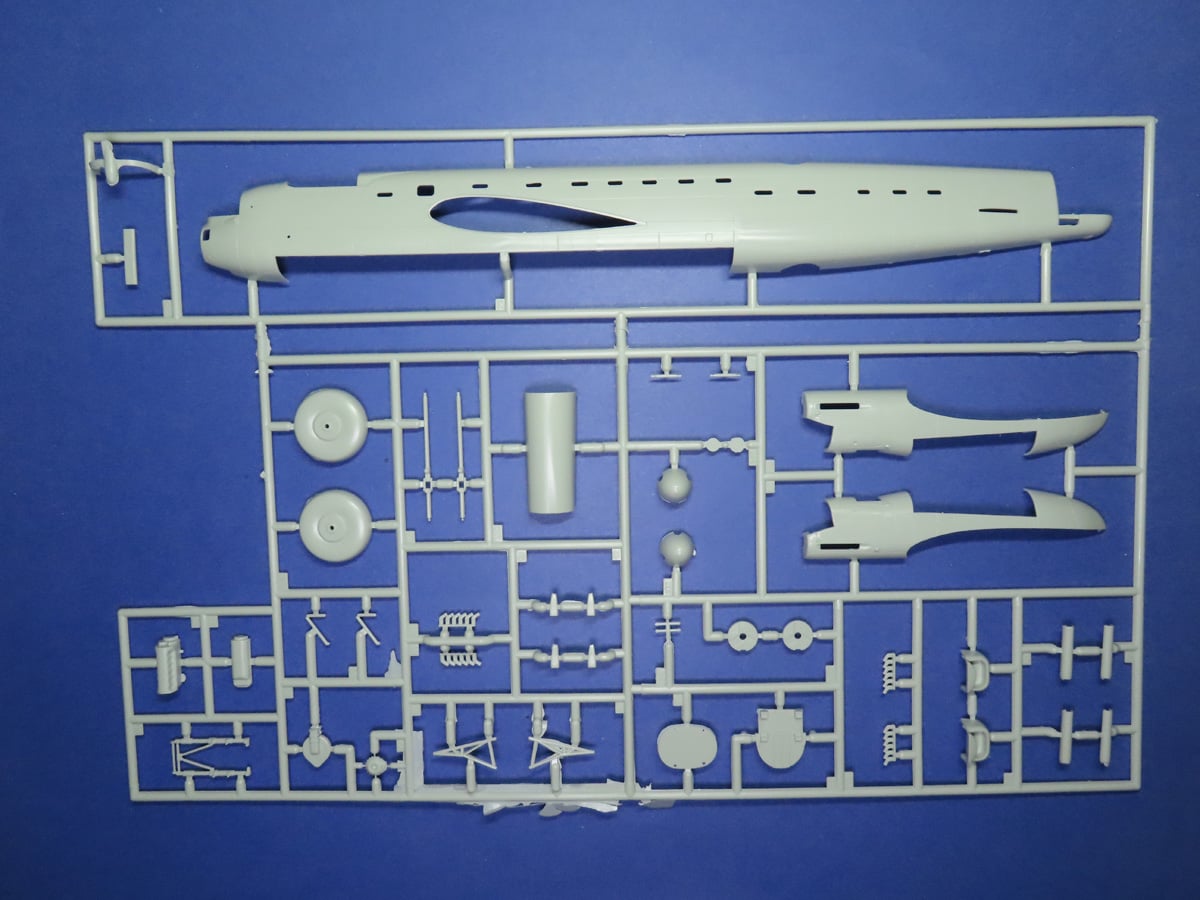
Looking at the other side of the fuselage, you can see one of the engine nacelles, as well as parts for a Merlin engine. Revell designed this kit to feature 2 exposed engines. You might also notice with these parts that there is quite a bit of flashing on them. Most of this is around the edges of the frames, and I did find this a bit odd for a modern until I realized this kit is nearly 20 years old. How time flies by.
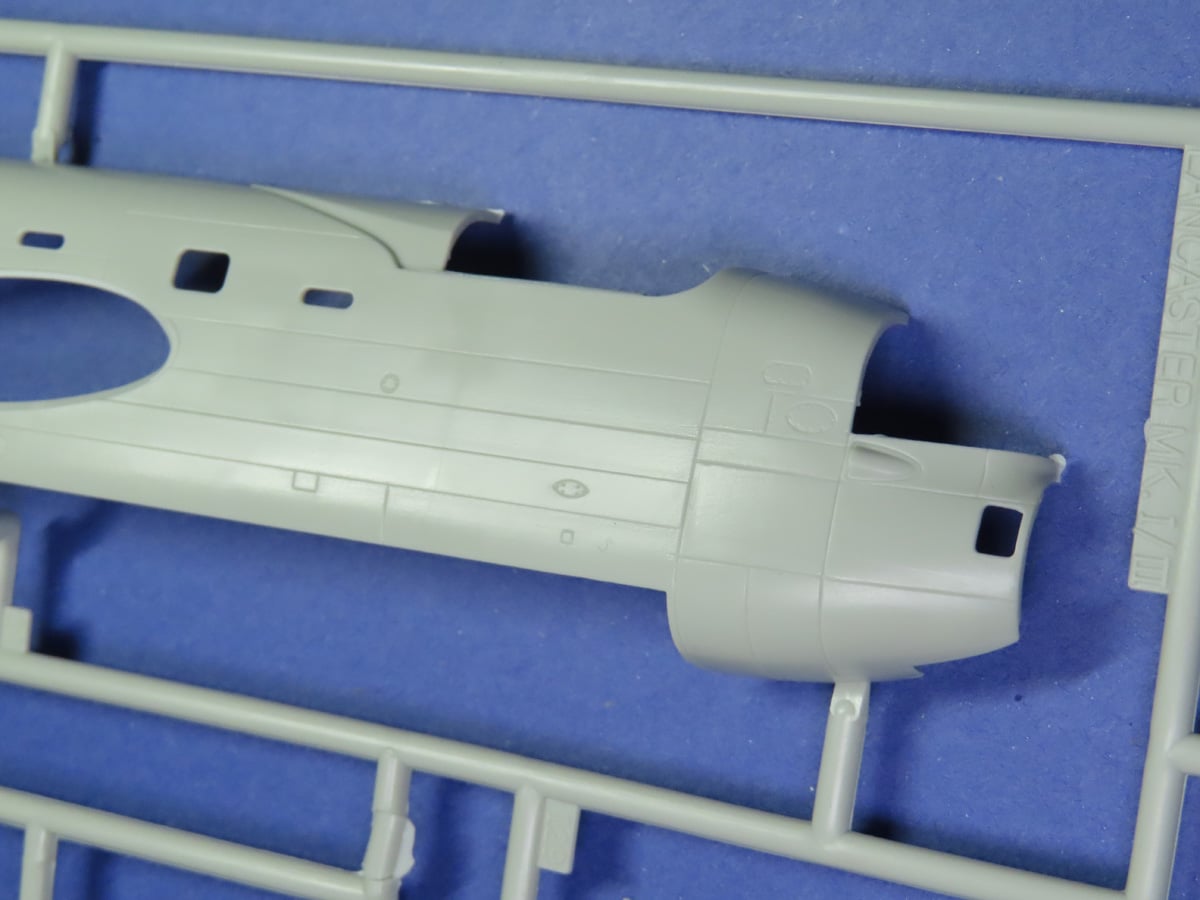
Taking a closer look at the forward section of the fuselage, you can see the recessed panel lines as well as some smaller details Revell included with this model.
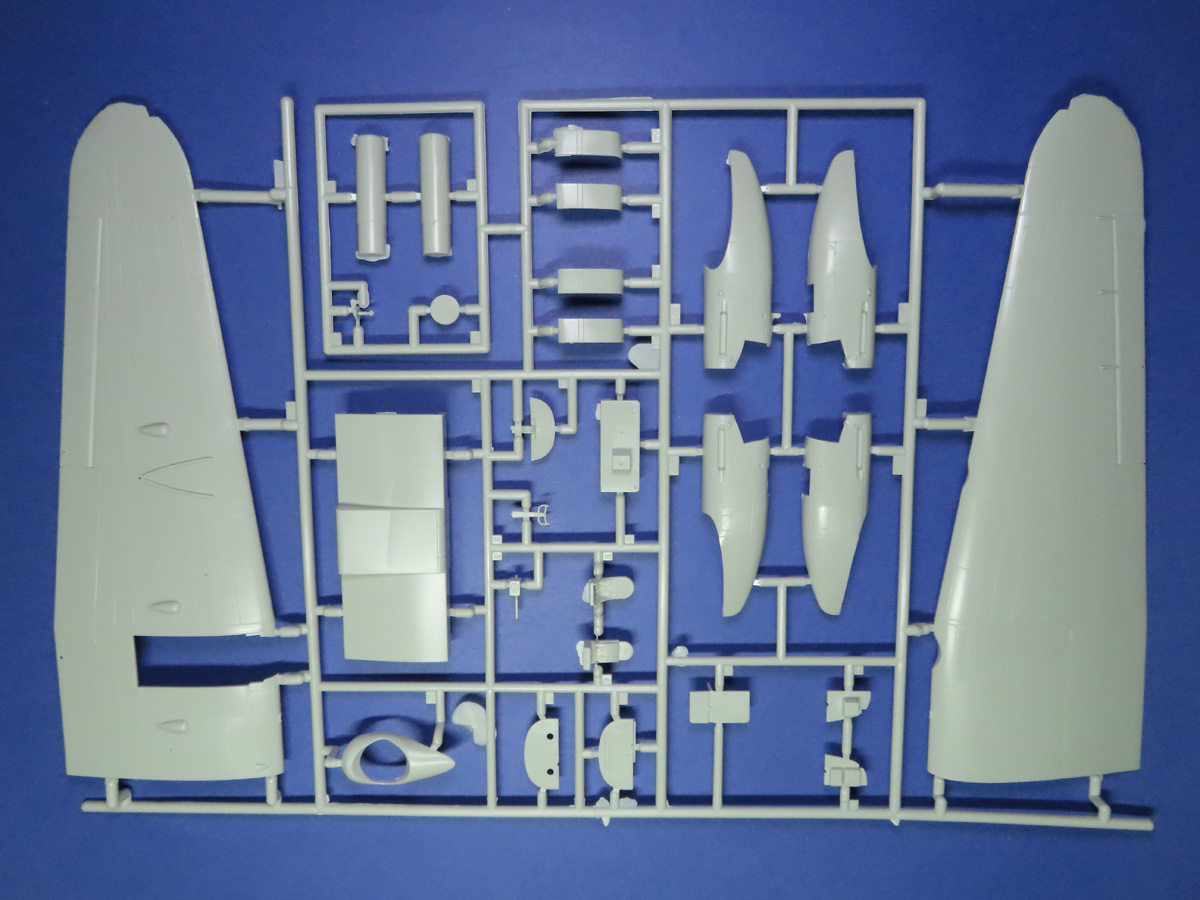
The starboard wing section, as well as the outer engine nacelles. The large rectangular block is the center wing spar section. This will make the wings very secure to the model, and keep everything straightened.
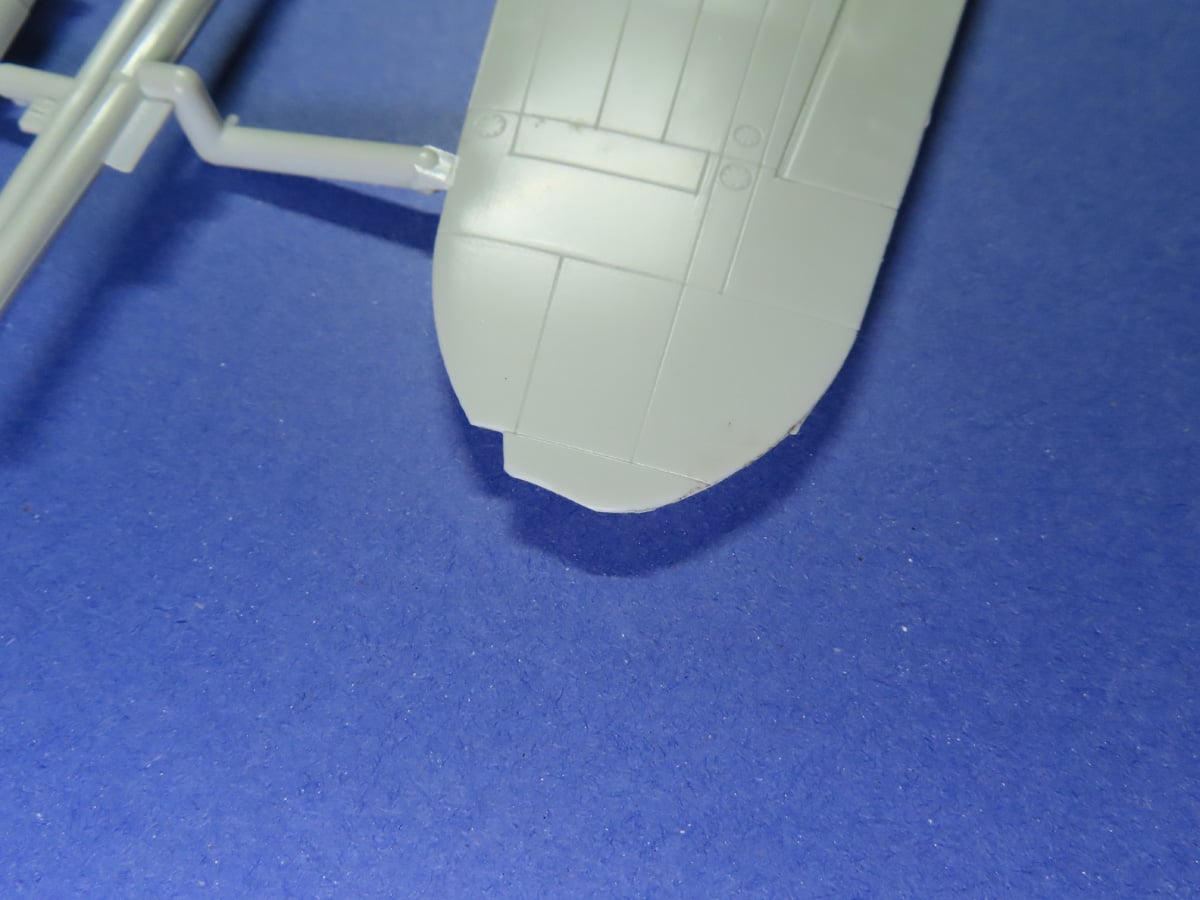
One thing I noticed on the wing tip is that it wasn’t shot all the way, and so we’re going to have to fix this later on. This isn’t too bad, and I have some models that are much worse, but this is something to keep an eye out for with your project.
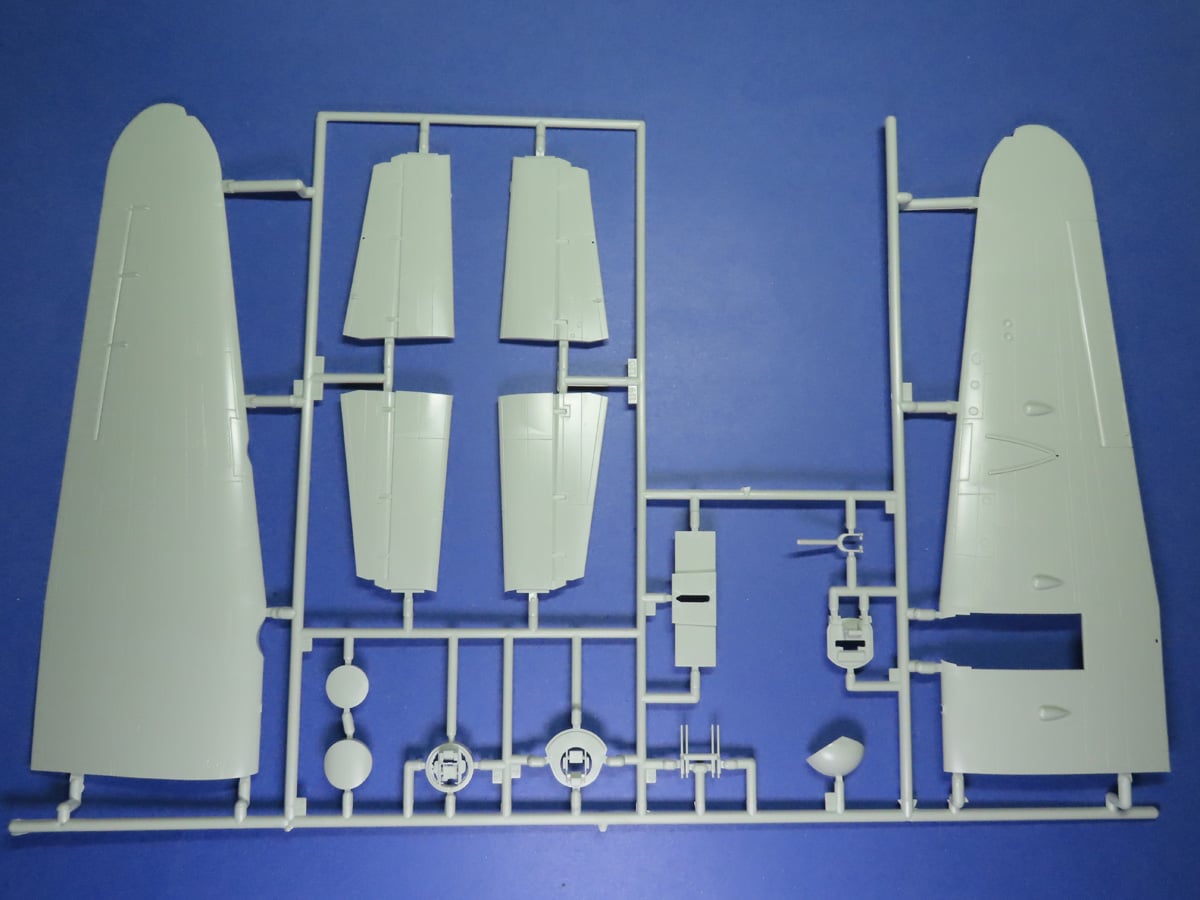
The wing sections for the Port side were shot properly, and have properly rounded wingtips. They also have clear wing tip lights which for me is always a nice feature.
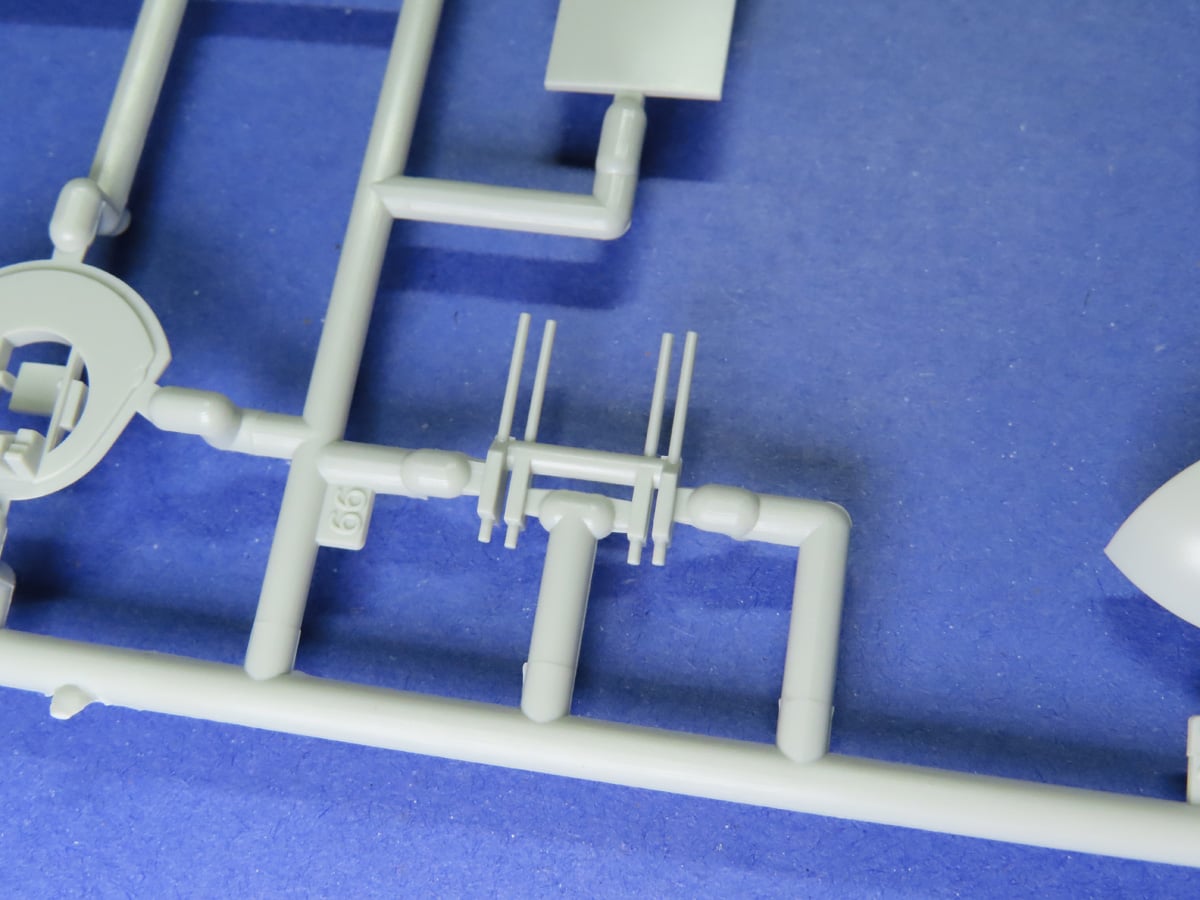
A bit of an oddity, and what has been one of the criticisms of this kit over the years, is the odd choice for the long, round gun barrels. Missing are the holes in the cooling jackets, as well as the flash hiders. This almost feels like they forgot to add the gun barrels to the kit and added these on at the last second. So I’m going to attempt to replace these barrels later on in the build.
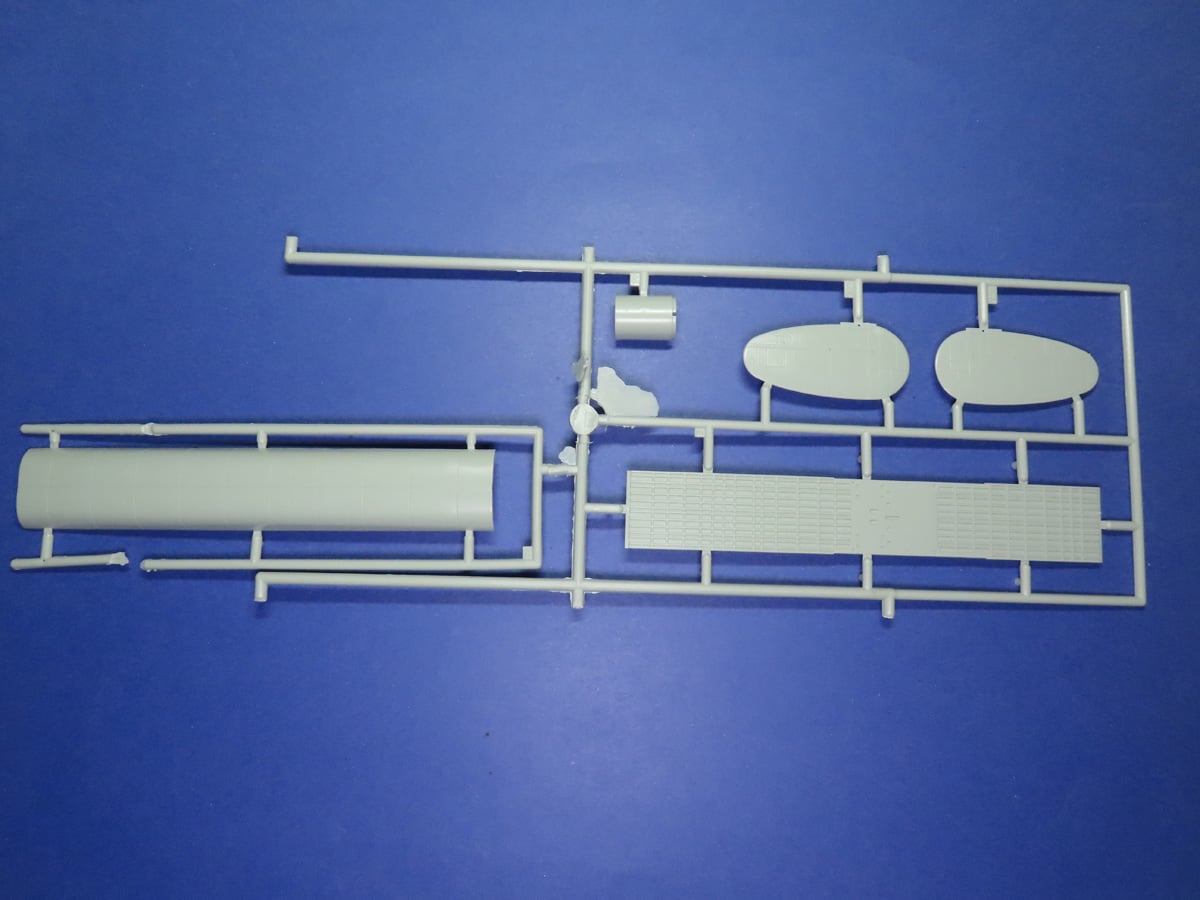
The bomb bay doors are in one large piece and can easily be separated to pose open.
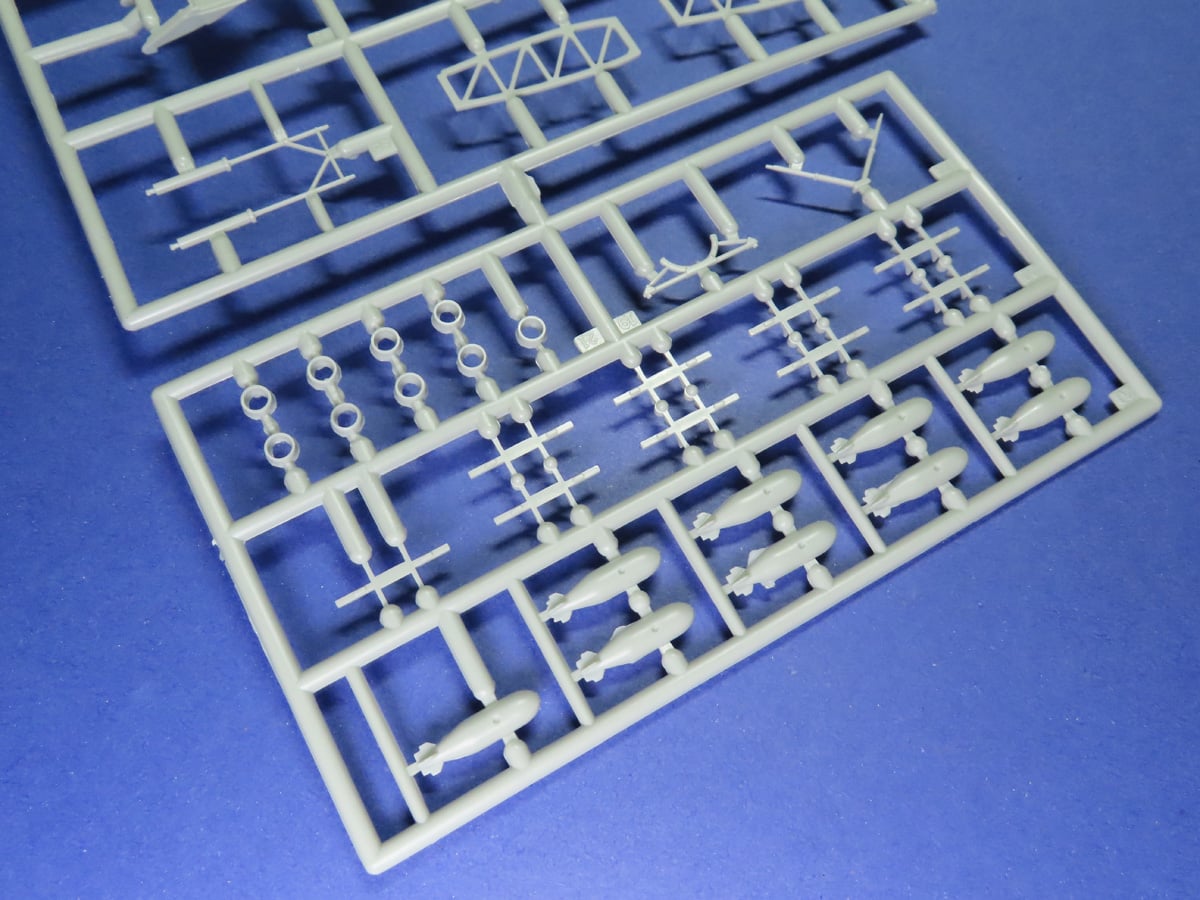
A closer look at the bombs. Some could argue they are a bit on the plain side, but at this scale, I think they’ll look the part resting in the bomb bay. I’m not totally sure yet if I want to add these into the model.
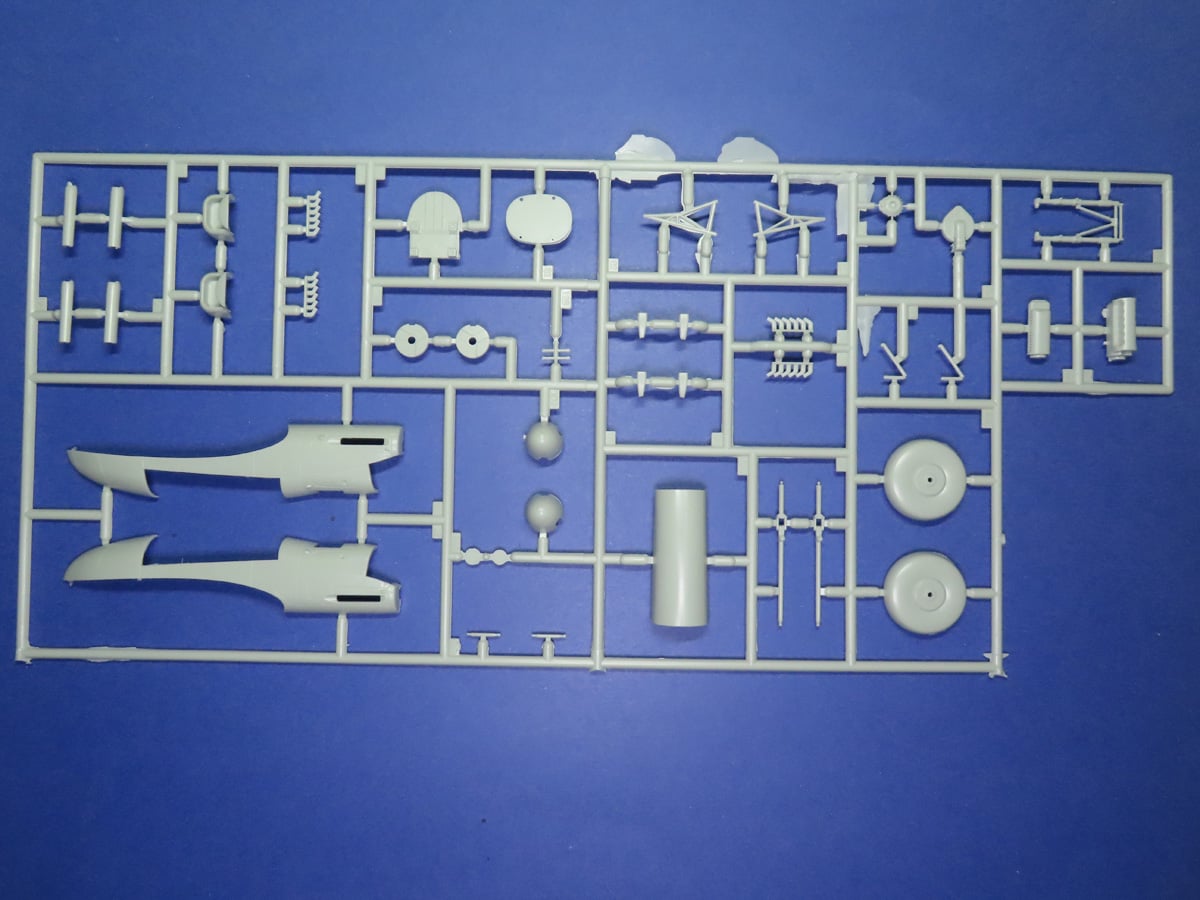
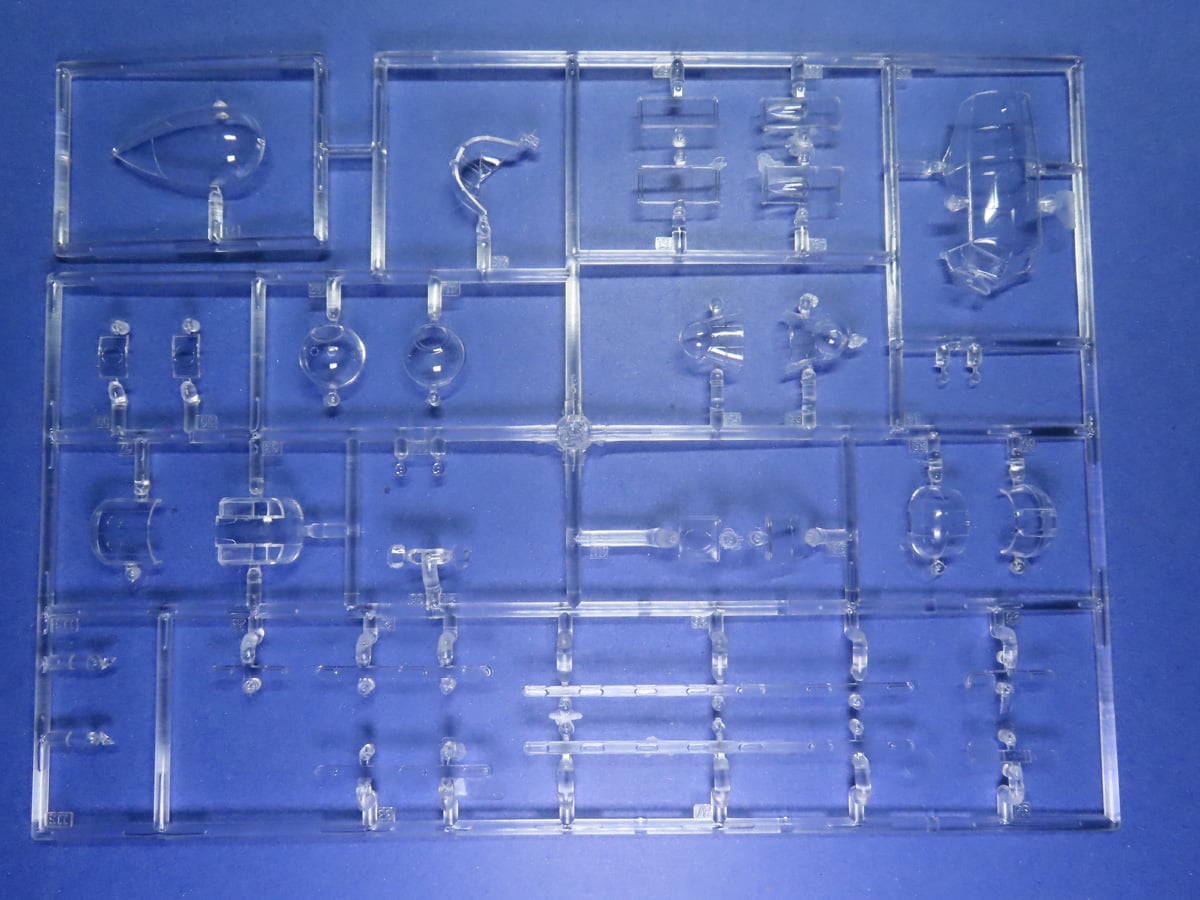
Looking at the clear parts now, there are a few optional parts included for different Lancaster variations. Most noticeable are the long and short nose bubble windows for the bombardier.
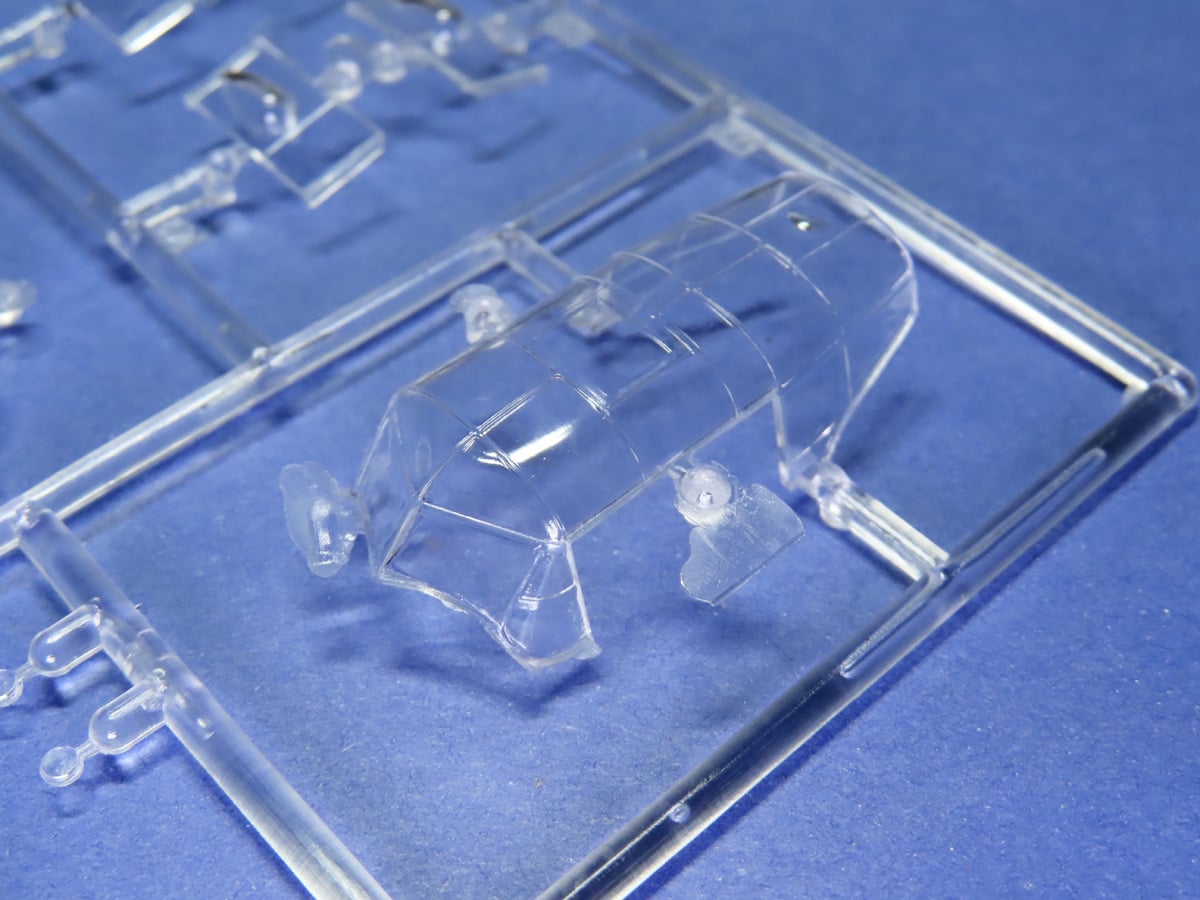
Taking a closer look at the canopy, you can see how clear the parts are. This being said, some of the smaller parts aren’t as clear and seem to have a sort of frosting over them. I think this is from the molds not being polished properly. It’s mostly on the smaller windows and will most likely remain unnoticed by most viewers.
Another thing is that the window frames on this kit are very thin. This will make masking difficult, and I might opt for a pre-cut masking set.
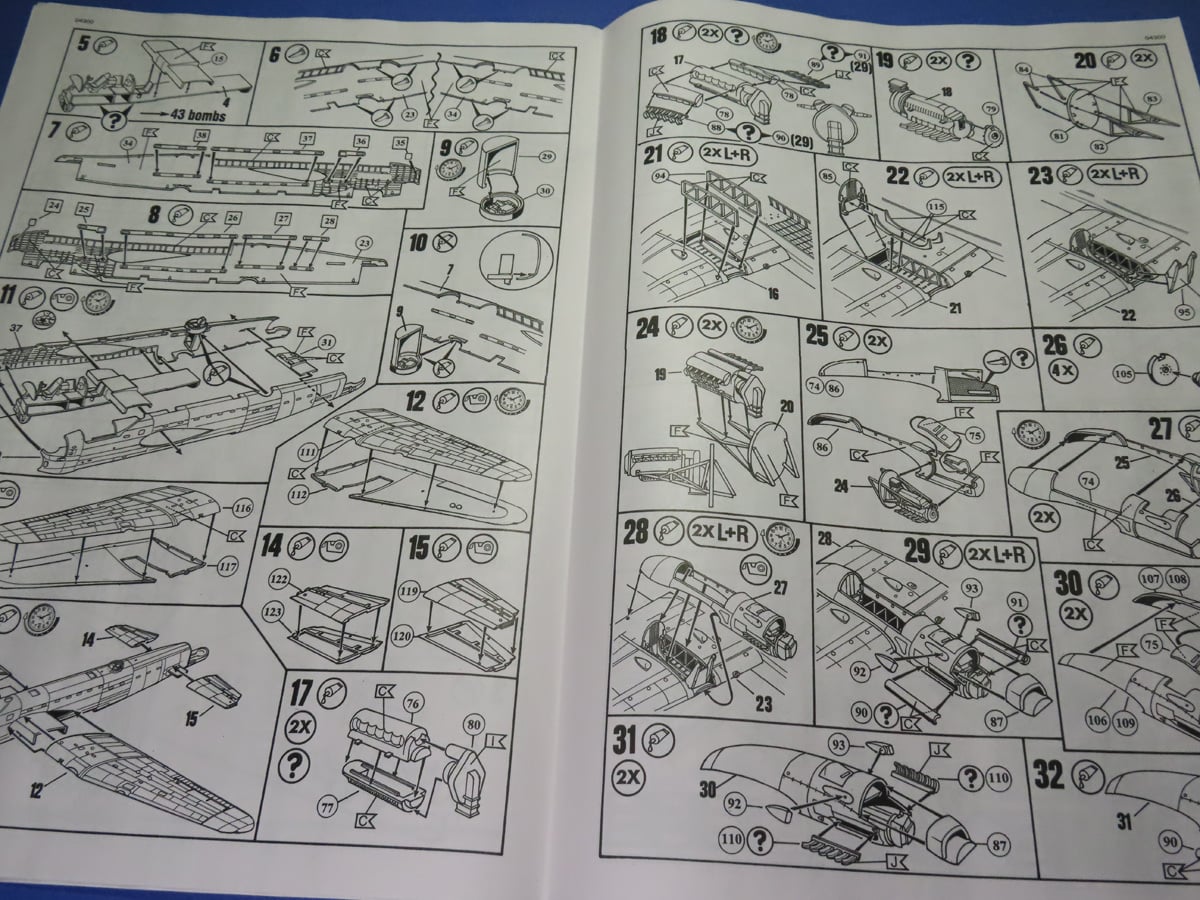
With the new box style, I admit, I was expecting the new color instructions that Revell has been including with their kits. It’s the same style and paper from back in the day when it was first released. The instructions are pretty easy to follow along, and each step is nicely laid out.
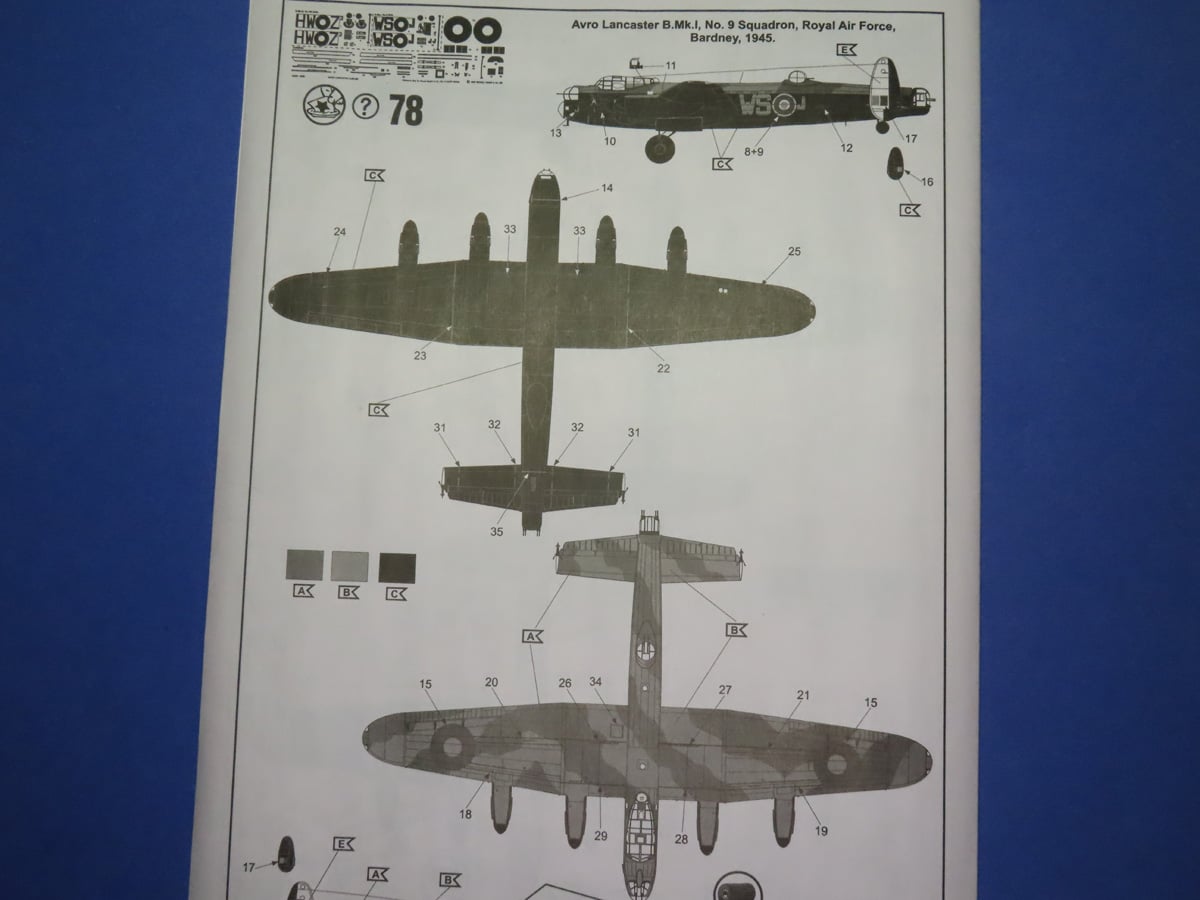
The kit includes 2 options to build. The first being “Grogs the Shot”. And as seen above, ” Still Going Strong.” Both are unique and interesting schemes for the Lancaster.
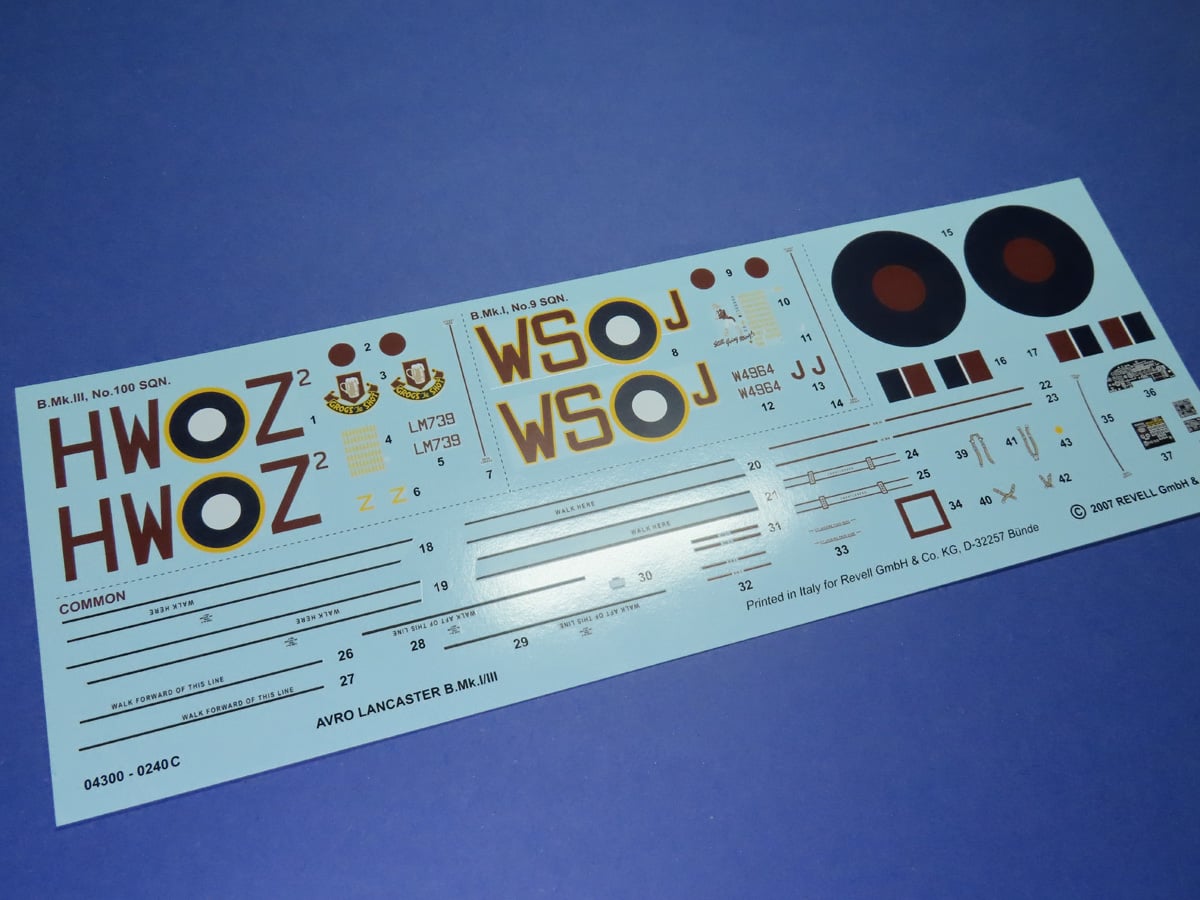
Lastly, we come to the decal sheet. The printing is excellent, and the instrument panels and nose art decals in particular look fantastic! There aren’t too many small stencils to lay down, and I’m interested to see how well these will react to decal solvents.
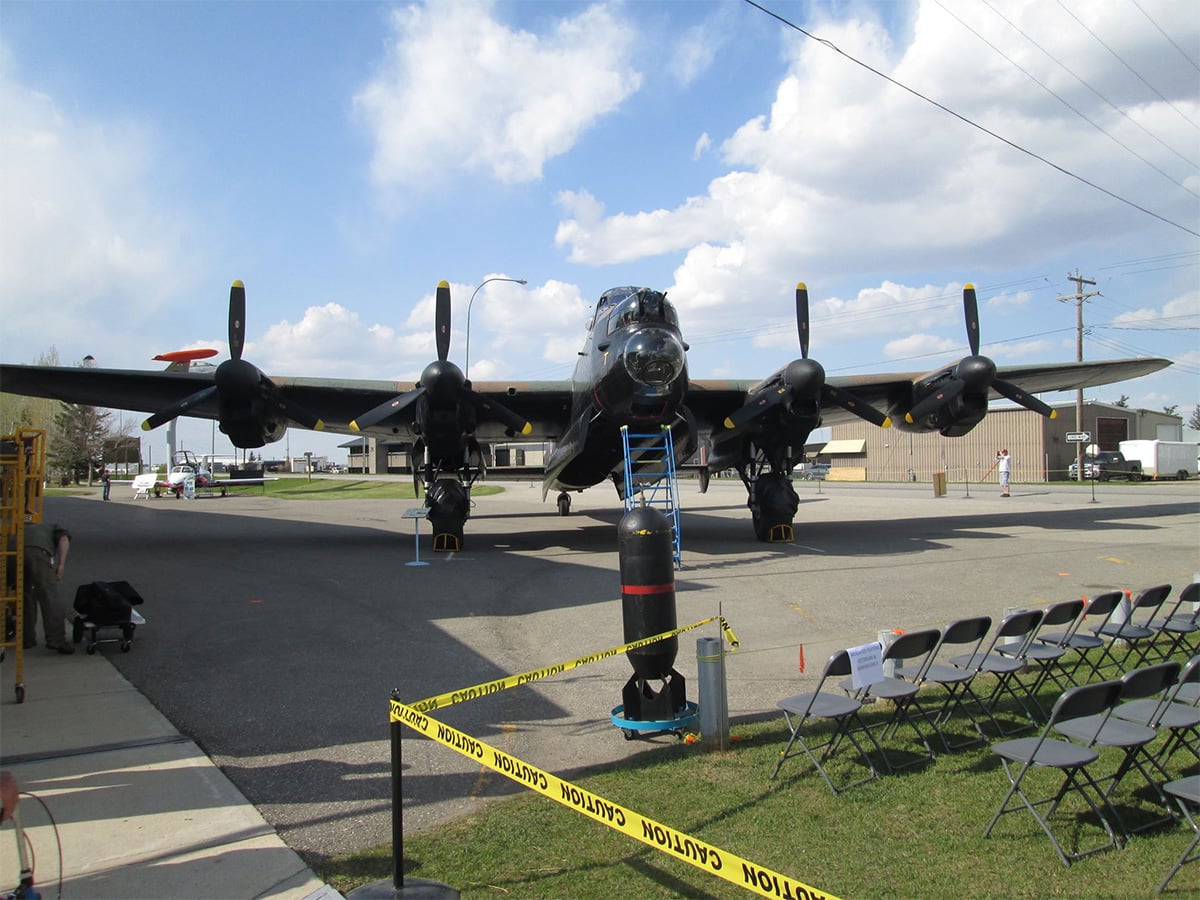
Pictured above is a photo I took of the Lancaster in Nanton. I’ve visited this aircraft many times over the years and even toured through it, taking pictures. It’s a special aircraft, and one that I’m excited to have so close to home. Listening to those 4 engines roaring is a marvellous experience, and looking through my picture collection, I’m once again eager to build another Lancaster bomber.
I’ve built several Lancasters over the years, and one that’s still waiting to be restored on the “shelf of doom”, but I’ve never built the Revell offering. And looking through the parts on this kit, I think that this is going to be a very fun project to take on.
To be continued…
About the Author:
Jared Demes is a modeler from southern Alberta. He has been building models since he was 4 years old when his Dad first introduced him to the hobby. He has written for several magazines including, Fine Scale Modeler, Scale Aircraft Modeling, Phoenix Scale Models, and others. He has an interest in all modeling subjects, with a focus on WWII Japanese aircraft and Science Fiction.
Jared has won several IPMS awards for his modeling, and currently operates his YouTube channel rebelsatcloudnine, where he showcases model builds and product demonstrations.
Next Post: Part 2
Last Post:
Completed Images:
 English